
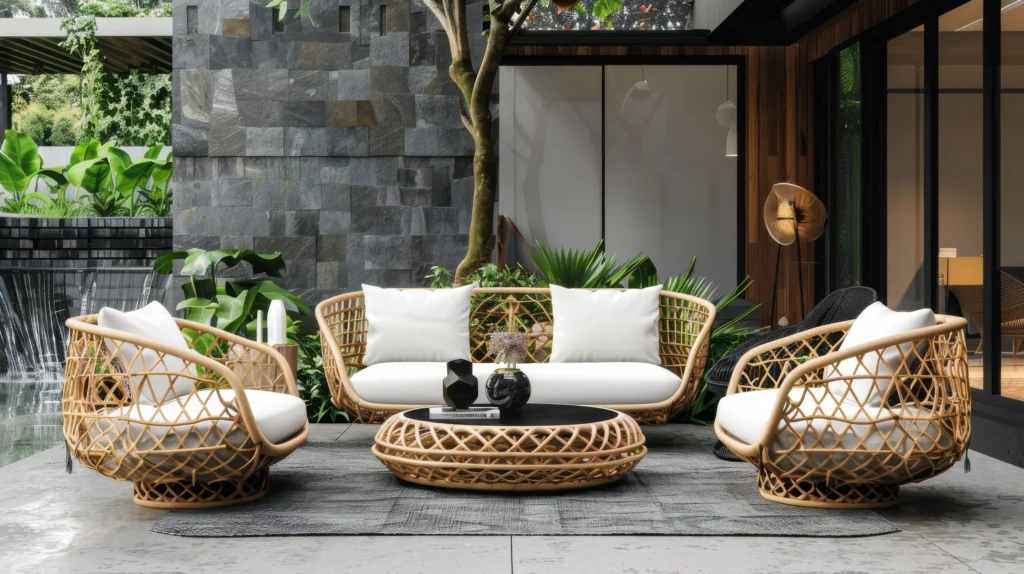
People still love beautiful interiors. That has not changed. However, what has changed is the way they buy furniture now. Earlier, many buyers reacted quickly to what looked expensive inside a showroom or what was trending online for a few months. Today, thinking feels slower and honestly a little more mature. People question durability, material quality, comfort, and whether something will still feel right after years of daily use. That shift says a lot about current retail trends because buyers no longer want homes filled with furniture that looks good briefly and then starts feeling repetitive. Instead, they want spaces that feel lived-in, refined, and calm without looking overdone. This is exactly why luxury furniture is moving in a different direction now. In fact, it is no longer only about visual richness. Buyers expect substance behind the appearance too.
Luxury Furniture Is Becoming Less Flashy and More Livable
A few years ago, premium interiors often tried very hard to look luxurious.Back then, heavy textures, glossy finishes, oversized statement pieces, everything wanted attention at once.
Now people seem tired of that visual noise.
Walk into newer homes today and the difference feels obvious. Now, the spaces breathe more. Furniture looks softer, calmer, easier to live with.
People Want Comfort They Can Actually Live With
Most buyers do not want homes that feel staged anymore. Rather, they want spaces that feel good on regular days too.
That changes how people look at luxury furniture now.
They notice things like:
- how seating feels after long hours
- whether textures feel natural
- if layouts look too crowded
- how materials age over time
- whether the furniture still feels visually relaxing months later
A beautiful sofa matters, obviously. But at the same time, if it starts feeling exhausting visually after a year, people regret the purchase much faster now.
That emotional side of furniture buying has become stronger.
Softer Spaces Feel More Premium Today
Interestingly, modern luxury does not always look dramatic anymore.
Instead, many buyers now naturally lean toward:
- muted wood finishes
- textured fabrics
- softer tones
- cleaner silhouettes
- balanced layouts
Not because trends told them to. Mostly because calmer interiors simply feel easier to live with.
Overdecorated rooms often start feeling heavy very quickly .Because of this, people realized that after spending more time inside their homes over the last few years.
Now luxury furniture works differently. It quietly supports the atmosphere instead of constantly trying to dominate it.
Buyers Are Paying More Attention to Quality Again
People have become smarter furniture buyers now. They ask more questions before spending.
And honestly, many learned the hard way.
Cheap furniture often creates the same cycle:
- surface damage
- unstable structure
- fading finishes
- uncomfortable usage
- replacement within a few years
After repeating that cycle once or twice, as a result, buyers start looking differently at furniture quality.
Furniture Is No Longer Treated Like Temporary Decor
This shift matters a lot inside premium retail.
Earlier, people replaced furniture more casually because trends moved fast. Now however, many buyers would rather invest once in luxury furniture that:
- stays visually balanced
- survives daily use properly
- works across changing interiors
- feels timeless instead of seasonal
That mindset is slowly changing how retailers design collections too.
After all, products built only around trend appeal do not hold attention for long anymore.
Material Feel Has Become More Important
People notice materials much more closely now.
Not in a technical way always. More emotionally. In fact, buyers immediately sense when:
- wood feels artificial
- surfaces look overprocessed
- fabrics feel cheap
- finishes lack depth
- detailing feels mass-produced
On the other hand, natural materials create a completely different response.
Textured oak, brushed metal, stone finishes, linen blends — these things feel warmer and more grounded inside a space. People connect with that naturally even if they cannot explain it perfectly.
Sustainable Furniture Buying Feels More Personal Now
Sustainability used to sound distant to many buyers. Earlier, it was mostly like a branding conversation.
That changed.
Now people connect sustainability with everyday ownership experience too.
Buyers Prefer Fewer Pieces That Last Longer
Homes are becoming less cluttered now compared to earlier years.
People buy slower. They think more before purchasing larger furniture pieces.
That is one reason sustainable luxury furniture is gaining stronger attention in modern retail spaces. Buyers increasingly want furniture that:
- lasts properly
- avoids constant replacement
- stays visually relevant
- feels responsibly made
- supports long-term living instead of fast consumption
Interestingly, not everyone chooses sustainable furniture because of environmental messaging alone.
A lot of people simply became tired of buying furniture repeatedly.
Good furniture removes that frustration quietly.
Craftsmanship Feels Valuable Again
Mass production made furniture more accessible, but it also made many interiors start looking identical.
People notice that sameness now.
That is why handcrafted details feel more valuable again inside luxury furniture categories.
Buyers appreciate:
- visible grain variation
- softer imperfections
- hand-finished textures
- stronger construction
- richer detailing
Perfect machine-made precision sometimes feels emotionally flat now. Slight variation makes furniture feel more human and less factory-driven.
That warmth matters more than many retailers expected.
Retail Brands Are Quietly Changing Their Direction
Furniture retailers watch buyer behavior very closely. And right now the signals are clear.
People spend more time researching before purchasing premium furniture.
Buyers Want Meaning Behind the Purchase
Earlier, expensive furniture alone often signaled exclusivity.
Now buyers think differently.
Exclusive furniture feels valuable when:
- craftsmanship stands out
- production feels controlled
- materials feel authentic
- designs avoid repetition
- the furniture carries personality without looking excessive
This changes how premium brands position themselves now.
Retailers can no longer rely only on polished showrooms or dramatic styling. Buyers want reassurance that the product actually deserves a place inside their home long-term.
Fast Trend Cycles Are Losing Influence
Trend-heavy furniture usually burns out quickly visually.
People noticed that pattern after years of seeing the same internet-inspired interiors repeating everywhere.
Now many buyers actively avoid furniture that:
- feels copied
- follows short-term aesthetics
- looks overly social-media driven
- loses originality quickly
Instead, they lean toward furniture that feels calmer and more lasting.
That shift is slowly reshaping retail trends across premium interior categories.
Luxury Furniture Now Reflects Lifestyle More Than Status
This is probably the biggest change happening right now.
Earlier, luxury furniture often tried to communicate wealth first.
Today it communicates lifestyle more than status.
People want homes that feel:
- calm
- thoughtful
- comfortable
- personal
- easy to live inside
That emotional experience matters much more now than dramatic visual display.
And honestly, buyers are becoming very good at sensing the difference between furniture designed for real living and furniture designed only for showroom attention.
Conclusion
Luxury interiors are clearly moving away from excess now. People still appreciate beautiful spaces, but they no longer want homes filled with furniture that feels temporary, loud, or visually exhausting after a short period of time. Buyers have become more thoughtful. They notice craftsmanship, comfort, longevity, and material honesty in ways they rarely did earlier.
That is exactly why sustainable luxury furniture continues shaping premium interior buying across modern markets. People want furniture that supports real living while still feeling refined and elevated at the same time. They also want pieces that age naturally instead of chasing fast-moving design cycles every year.
At the same time, exclusive furniture is evolving too. Buyers no longer define exclusivity only through price or decoration. Now it feels more connected to authenticity, quieter craftsmanship, stronger materials, and furniture that continues feeling personal long after trends disappear.